Due to forecasted storms, free sand for sandbags is now available on a first-come, first-serve basis at nine City of Phoenix parks.
Phoenix Prepares for Stage 2 of Drought Management Plan Amid Deep Colorado River Cuts
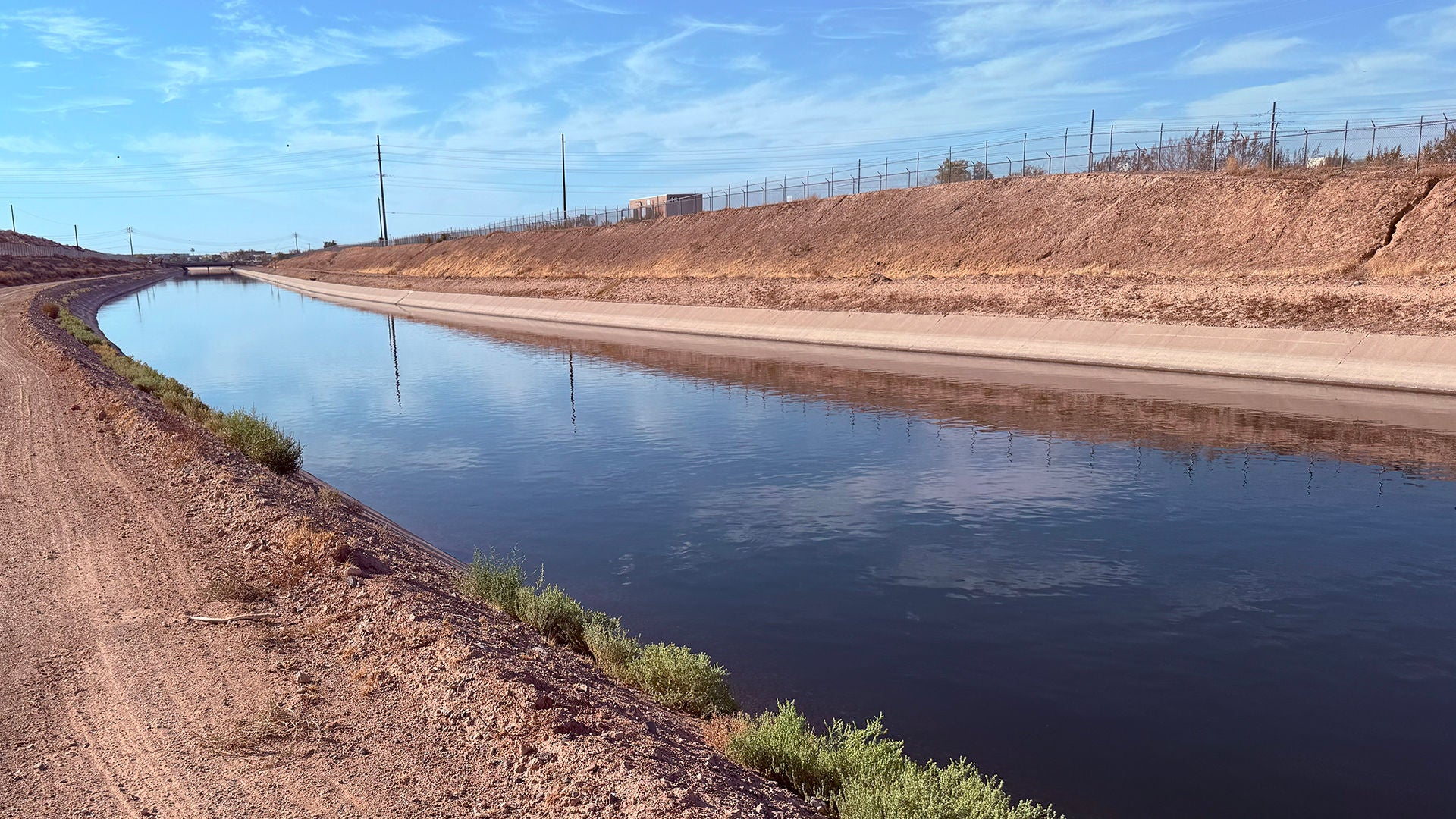
Stage 2 of Drought Management Plan calls for voluntary reductions in water use, boosted conservation incentives, and a drought surcharge for highest water users
The City of Phoenix expects to enter Stage 2 of its Drought Management Plan in January as Arizona prepares for significant reductions in Colorado River water deliveries. Phoenix customers can continue to expect safe, reliable water service, but the City is preparing to rely more heavily on backup supplies.
During Tuesday’s City Council Policy Session, Water Services Director Brandy Kelso and Water Resources Management Advisor Max Wilson outlined the City’s three-part response:
· Use backup supplies
· Develop new water resources
· Reduce demand
The plan calls for residents and businesses to voluntarily reduce water use by 5 percent and City departments to reduce water use by 10 percent. It also includes expanded conservation incentives and a temporary drought surcharge for higher-volume customers.
Based on current usage, the surcharge would affect an estimated 16 percent of residential monthly bills, 7 percent of commercial bills and 1 percent of industrial bills. Most customers are not expected to incur the surcharge.
"We’ve spent decades preparing for the challenges we’re facing today, and those investments have put us in a good position," Mayor Kate Gallego said. "But the cuts from the federal government require us to take further action. Phoenix is stepping up its own conservation efforts, and we’re asking residents and businesses to join us. The choices we make today will help determine the strength and resilience of our city for generations to come."
Phoenix Has a Three-Part Plan
Use backup supplies. Phoenix will use renewable backup supplies, stored one-time use water, groundwater recovery infrastructure, and regional water partnerships to help offset reduced Colorado River deliveries. These resources provide flexibility, but some are finite.
Develop next-generation supplies. Phoenix is advancing Pure Water Phoenix, including advanced water purification facilities planned at Cave Creek Road, North Gateway and 91st Avenue. The City is also participating in regional efforts to expand Verde River storage through the Bartlett Dam project and pursue water-sharing opportunities through the Secure Water Arizona Program.
Implement next stage of the Drought Management Plan. The anticipated Stage 2 response focuses on reducing unnecessary demand, expanding conservation assistance, and preserving backup supplies while longer-term projects are developed.
"Stored water and other backup supplies give Phoenix important flexibility as Colorado River deliveries decline," Wilson said. "But those reserves are not unlimited. We need to manage them carefully while developing new supplies and helping customers conserve."
What Stage 2 Means for Customers
Phoenix has been in Stage 1 – Water Alert since June 2022. Stage 2 – Water Warning is the next level in the City’s plan, activated when normal supplies become insufficient and additional resources or demand-reduction measures are needed. It does not mean water service will be interrupted.
In addition to asking for voluntary water use reductions, Phoenix will encourage customers to focus on five practical actions:
· Find and fix leaks
· Adjust irrigation and outdoor water use to the weather
· Replace unused grass with desert-adapted landscaping
· Install water-efficient devices
· Make small, consistent changes that add up
"Water conservation is a shared responsibility, but we also recognize that families, neighborhoods and businesses have different needs and resources," said Vice Mayor Kesha Hodge Washington, who is a member of the AMWUA board of directors. "As Phoenix takes these additional steps to protect our water future, we must make sure customers have access to the information, tools, and assistance that can help them conserve. Our goal is to protect reliable water service while helping every community be part of the solution."
How the Planned Drought Surcharge Would Work
The City plans to implement a temporary drought surcharge on higher water use as part of a Stage 2 response. The charge would be $2.10 per unit of water consumed above monthly thresholds based on customer class. One unit equals 748 gallons.
· Residential: $2.10 per unit above 20 units per month.
· Commercial: $2.10 per unit above 300 units per month.
· Industrial: $2.10 per unit above 15,000 units per month.
The surcharge would apply only to water use above the applicable monthly threshold, not to all water consumed. Customers who remain at or below their threshold would not incur the surcharge.
The surcharge would only take effect when Stage 2 is declared. Preliminary modeling estimates the surcharge could generate approximately $40 million to help fund conservation programs and additional water supplies.
Increased Incentives for Conservation Efforts
Stage 2 also expands no-cost water-efficiency consultations for residents, businesses and homeowner associations, and boosts conservation financial incentives.
Modified Conservation Incentives:
· Boost the grass-removal incentive from $2 to $4 per square foot
· Raise the smart irrigation controller incentive from $75 to $150
· Establish a new $100 per year leak-repair incentive
The expanded assistance is intended to help customers make changes that lower water use while supporting the City’s broader conservation goals.
"Phoenix has prepared for changing water conditions through decades of planning and investment," Kelso said. "Our focus is maintaining safe, reliable water service while taking practical steps to reduce demand and help customers save water. Conservation is essential because every gallon we save reduces the amount we need to withdraw from our backups."
Why Stage 2 Is Necessary
New federal operating guidelines will reduce Colorado River deliveries to the Lower Basin states by 1.25 million acre-feet annually in 2027 and 2028. Under a proposed sharing agreement, Arizona would absorb 760,000 acre-feet of those reductions. Phoenix currently receives approximately 40 percent of its drinking-water supply from the Colorado River, and its Colorado River deliveries could decline by approximately 30 percent. While recent rainfall has improved storage in the Salt and Verde River system, it does not eliminate the reductions affecting Arizona's Colorado River supply.
Phoenix Has a Plan. Everyone Has a Role.
Residents and businesses can find water-saving tips and information about conservation programs at phoenix.gov/savewater.
For information about drought conditions and the City’s Drought Management Plan, visit phoenix.gov/drought.
About Phoenix Water Services
The City of Phoenix Water Services Department provides safe, reliable drinking water and wastewater services to approximately 1.7 million residents. Through long-term planning, conservation, infrastructure investment and the development of new water supplies, the department is working to strengthen water reliability and support Phoenix’s future.
Media Contacts:
Michael Gertzman
Senior Public Information Officer
Phoenix Water Services Department
602-534-1209
michael.gertzman@phoenix.gov
Todd Zubatkin
Communications Director
Office of Mayor Kate Gallego
908-892-9090
todd.zubatkin@phoenix.gov