Due to system upgrades, GIS mapping applications will be unavailable between Thursday, September 24 at 6:00 PM through Friday, September 25 at 8:00 AM. Thank you for your patience.
Phoenix Prepared as Federal Framework Outlines Potential Cuts to Arizona’s Colorado River Supply
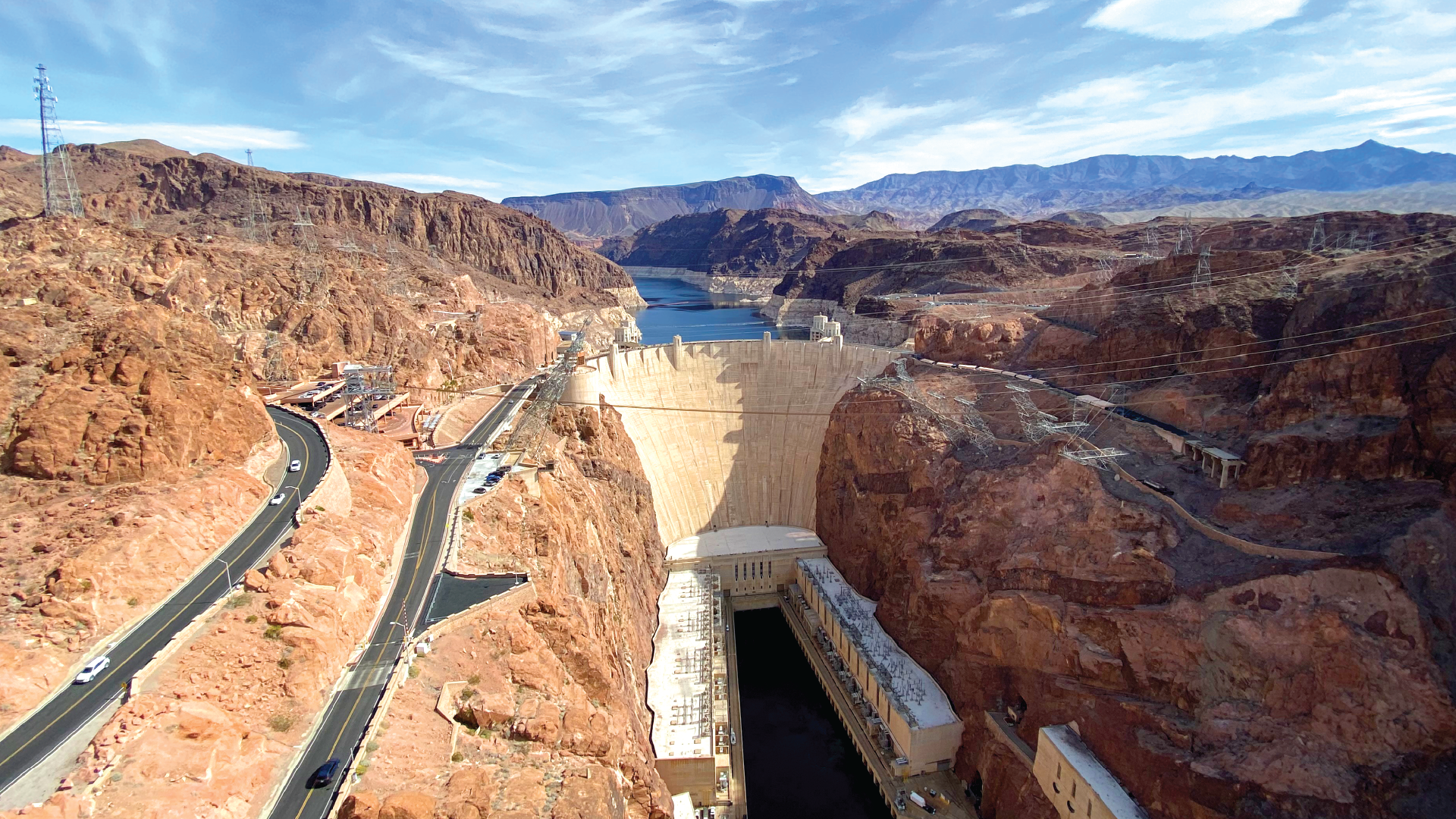
The U.S. Bureau of Reclamation has released its proposed plan to deal with water shortages on the Colorado River, which suggests major cuts to Lower Basin states including Arizona.
The Post-2026 Operational Guidelines and Strategies for Lake Powell and Lake Mead – Final Environmental Impact Statement establishes a preferred framework for managing Colorado River operations after 2026.
Although the City of Phoenix is prepared for proposed cuts and will continue providing safe, reliable water, the proposal disproportionately impacts Arizona and other Lower Basin states while requiring less immediate action from Upper Basin states. The Final Environmental Impact Statement includes a preliminary description and analysis of anticipated operating guidelines for 2027 and 2028, but Reclamation says those guidelines are still being refined.
- Reclamation Publishes Final Environmental Impact Statement for Future Colorado River Operations
- Colorado River Post 2026 Operations
- Post-2026 Operational Guidelines and Strategies for Lake Powell and Lake Mead – Final Environmental Impact Statement
"Solving the Colorado River crisis demands a fair, basin-wide solution in which every stakeholder is asked to sacrifice," Mayor Kate Gallego said. "Instead, the federal government takes aim at Arizona and Lower Basin states even though we continue to do our part and conservation is a core part of our water culture. Phoenix is prepared to use less Colorado River water, but it is wrong to lay a disproportionate share of the burden on Arizona."
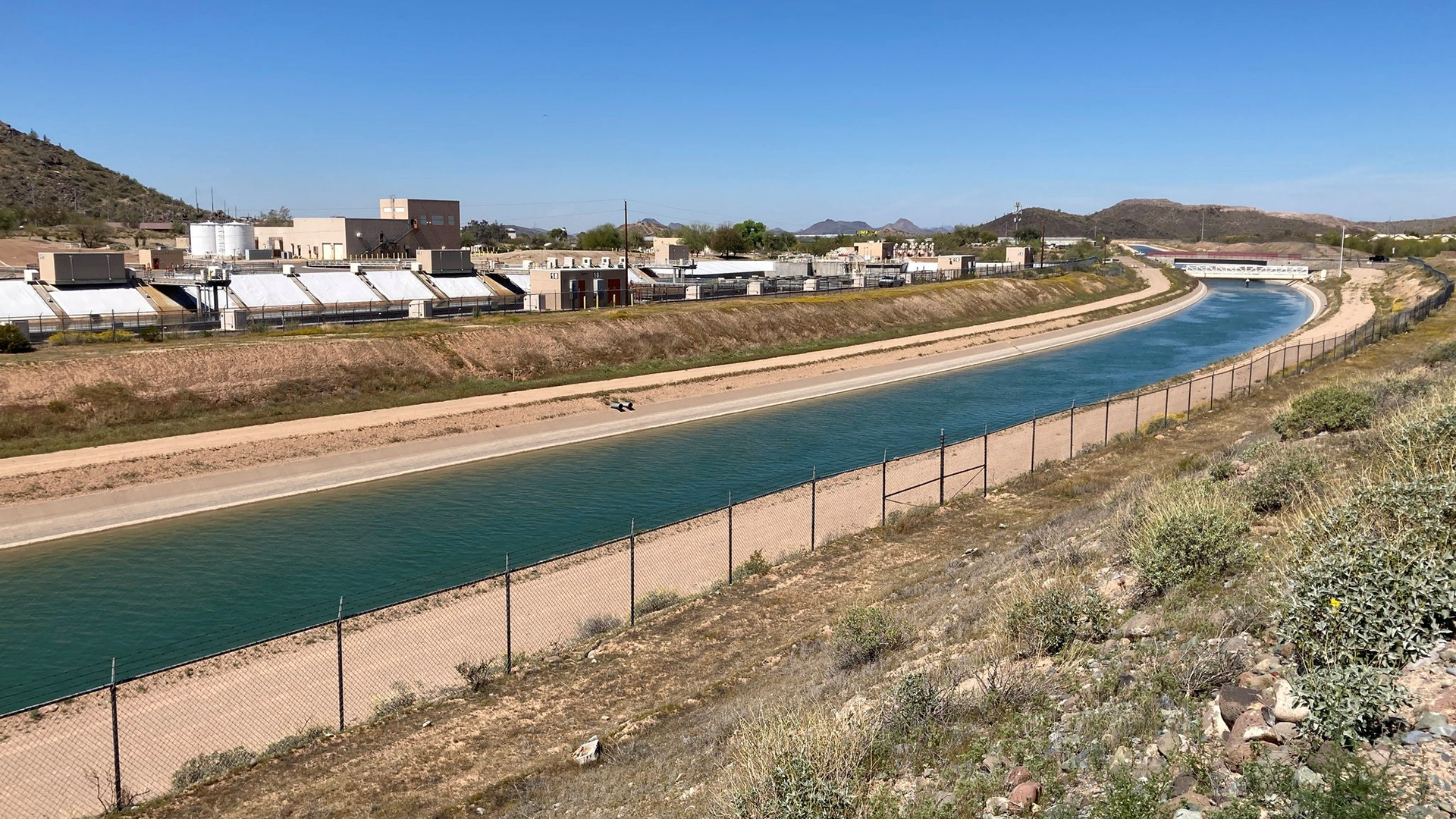
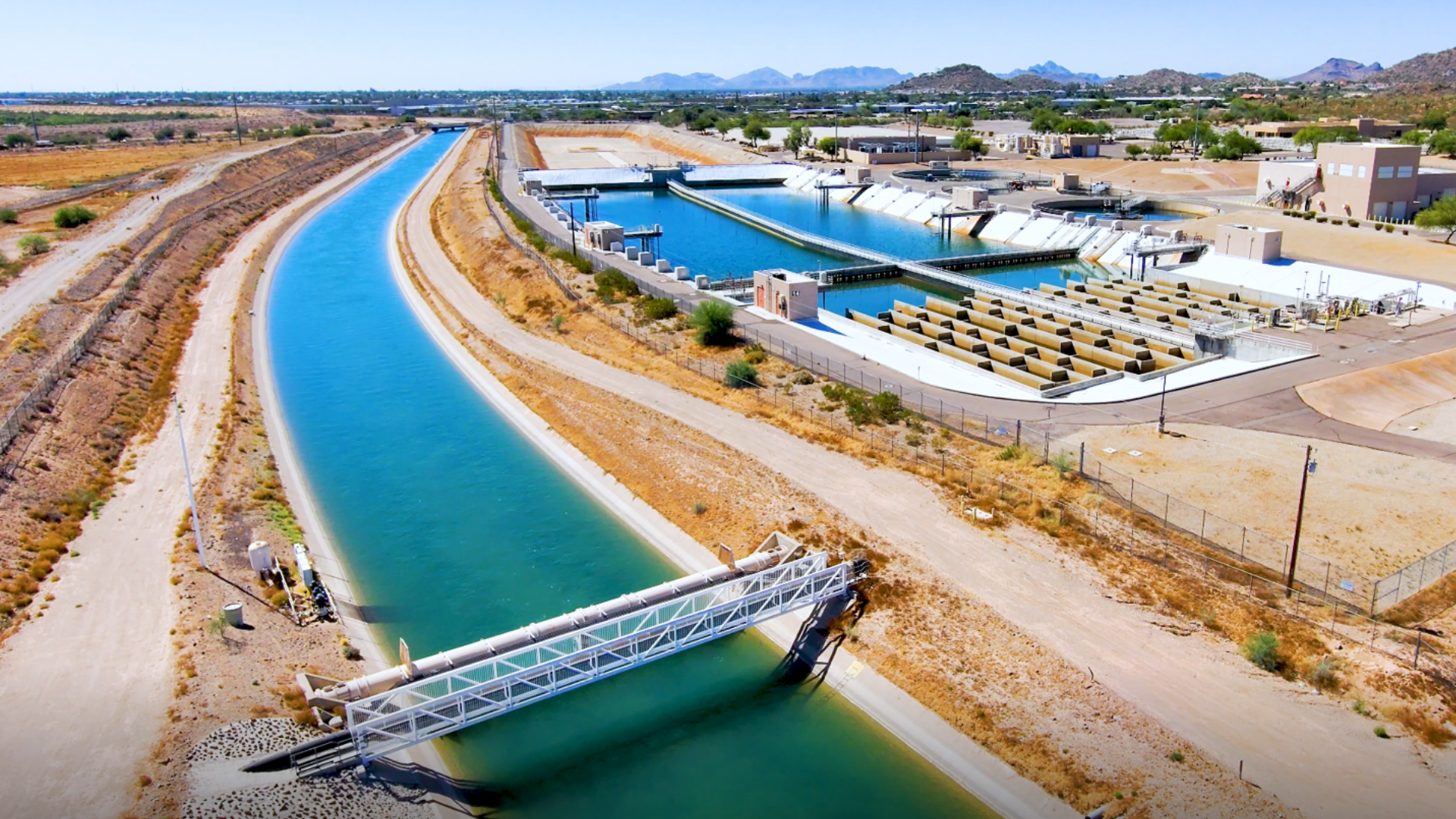
Approximately 40 percent of Phoenix’s current drinking-water supply comes from the Colorado River through the Central Arizona Project. About 58 percent comes from the Salt and Verde rivers, while approximately 2 percent comes from groundwater. Reclaimed water is also beneficially reused for power production, irrigation, and environmental purposes.
Phoenix Is Ready, Will Take Further Actions
Although the City has deep concerns about the federal process and preferred framework, it is prepared to manage the potential impacts.
The City has spent decades preparing for reduced Colorado River supplies through conservation investments, significant underground water storage, water recovery wells and pipes, the Drought Pipeline Project, and developing new renewable water supplies. Those investments put Phoenix in a strong position to manage anticipated near-term reductions while continuing to provide safe, reliable water service.
Depending on the final operating guidelines, the City may need to begin drawing on stored water reserves, increase its use of backup supplies and invest even more substantially in new water resources and infrastructure. Phoenix will also expand conservation programs and ask residents and businesses to use water even more efficiently.
"Phoenix has prepared for this moment, and our customers can expect reliable water service," Water Services Director Brandy Kelso said. "But preparation does not mean we can stand still. We may need to use some of the water we have stored, accelerate investments in future supplies and work together as a community to reduce demand."
Preparation and Investment Have Put Phoenix In a Strong Position
Phoenix has taken several major steps to prepare for reduced water supplies over the course of decades.
- Conservation: Despite a much higher population, Phoenix uses about the same total volume of water today as it did 30 years ago. Water use per person continues to decline.
- Underground water storage: Phoenix has stored approximately 700,000 acre-feet of water underground in the Phoenix and Tucson areas. That stored water represents an important reserve for periods of shortage.
- Water storage recovery: Phoenix currently has approximately 20 operational groundwater wells and expects to bring approximately 10 additional wells online within the next several years.
- Drought Pipeline Project: The City completed the approximately $300 million Drought Pipeline Project, strengthening its ability to move Salt and Verde river water into north Phoenix areas that have historically relied more heavily on Colorado River water.
- Pure Water Phoenix: Three planned advanced water purification facilities are expected to provide more than 50,000 acre-feet of renewable water annually within the next decade. Construction is underway on the Cave Creek Road facility, and design work has begun for the planned North Gateway facility.
- Additional renewable supplies: Phoenix is participating in a potential expansion of Bartlett Reservoir to capture and store additional Verde River water.
- Regional cooperation: Phoenix and Tucson are developing the Secure Water Arizona Program, a voluntary framework intended to support emergency reserves, projects to offset water supply reduction and innovative water-sharing arrangements.
City’s Water Experts Monitoring Forthcoming Federal Guidelines
The preferred federal framework allows for a range of possible reductions to Lower Basin water deliveries, including shortages of up to 3 million acre-feet. The Final Environmental Impact Statement also includes a preliminary description and analysis of anticipated operating guidelines for 2027 and 2028, but those guidelines are still being refined. Under the most severe conditions, substantial reductions to Central Arizona Project supplies could occur.
City staff are evaluating:
- The amount, timing, and duration of potential reductions to statewide CAP deliveries.
- The specific impact on Phoenix’s Colorado River supply.
- Whether the framework provides sufficient certainty for operational, infrastructure, and financial planning.
- Protections for critical water elevations at Lake Powell and Lake Mead.
- Economic impacts on Central Arizona communities.
- Recognition of tribal water rights.
"The Colorado River remains an essential part of Phoenix’s water portfolio," Water Resources Management Advisor Dr. Max Wilson said. "Our stored and backup supplies give us important flexibility, but they are designed to bridge uncertainty while we build the next generation of renewable water supplies. They are not a permanent substitute for the river."
City Remains in Early Stage of Drought Management Plan
The federal announcement does not immediately change water service for Phoenix customers or impose mandatory water restrictions.
Phoenix remains in Stage 1 of its Drought Management Plan, which focuses on public education, conservation programs and enforcing existing water-use provisions.
The City could move to a Stage 2 Water Warning by the end of 2026. Potential Stage 2 actions could include:
- Expanded conservation education.
- Increased financial incentives.
- Additional residential and business water-efficiency consultations.
- Requests to reduce water use.
- Potential drought surcharges to help offset the cost of Colorado River reductions.
Residents and businesses will be asked to reduce unnecessary water use by checking for leaks, improving irrigation efficiency, selecting desert-adapted landscaping, and participating in Phoenix Water conservation programs.
Residents and businesses can learn more about Phoenix’s water supplies and drought planning at phoenix.gov/water and find conservation resources at phoenix.gov/savewater.
About City of Phoenix Water Services Department
The City of Phoenix Water Services Department is dedicated to providing high-quality, reliable, and sustainable water services to the residents, businesses, and visitors of Phoenix. With a commitment to water conservation, innovation, and long-term planning, the department ensures a secure and resilient water supply for future generations. For more information, visit phoenix.gov/water.
Media Contacts:
Michael Gertzman
Sr. Public Information Officer
Phoenix Water Services
602-534-1209
michael.gertzman@phoenix.gov
Jimena Garrison
Public Information Officer
Phoenix Water Services
480-390-1933
jimena.garrison@phoenix.gov
Todd Zubatkin
Communications Director
Office of Mayor Kate Gallego
908-892-9090
todd.zubatkin@phoenix.gov