Due to forecasted storms, free sand for sandbags is now available on a first-come, first-serve basis at nine City of Phoenix Parks.
Phoenix Marks 10 Years of Transportation 2050 Progress
Ten years after Phoenix voters approved Transportation 2050 (or T2050), a 35-year plan to expand and improve the city’s transportation network, new data shows significant progress across bus, bicycle, light rail, pedestrian and roadway infrastructure.
The City of Phoenix’s Long-Term Metrics report outlines achievements from the program’s second five years and highlights priorities as the city’s population continues to grow.
“Ten years ago, the City of Phoenix set a clear vision to ensure our transit system and roadways reflect the daily needs of our residents,” Mayor Kate Gallego said. “Through T2050 investments, we've improved commutes with more efficient traffic flow, accelerated streets maintenance, and expanded bus and light rail service. We've made meaningful progress toward our goal of building a fully accessible system and have prioritized roadway and sidewalk safety. I look forward to the next decade of delivering robust transportation options throughout our community."
Since the plan’s voter approval in 2015, T2050 funds have supported improvements across Phoenix’s public transit and street transportation network.
During the past five years alone, Phoenix has expanded and improved public transit infrastructure throughout the city, including improvements to bus and light rail service and technology. Recent efforts also include smart-fare and collection upgrades.
Additional notable public transit improvements during the past five years include:
- 479 bus shelter shade structure installations
- In Phoenix: 81.2 million total bus boardings and 29.4 million light rail boardings
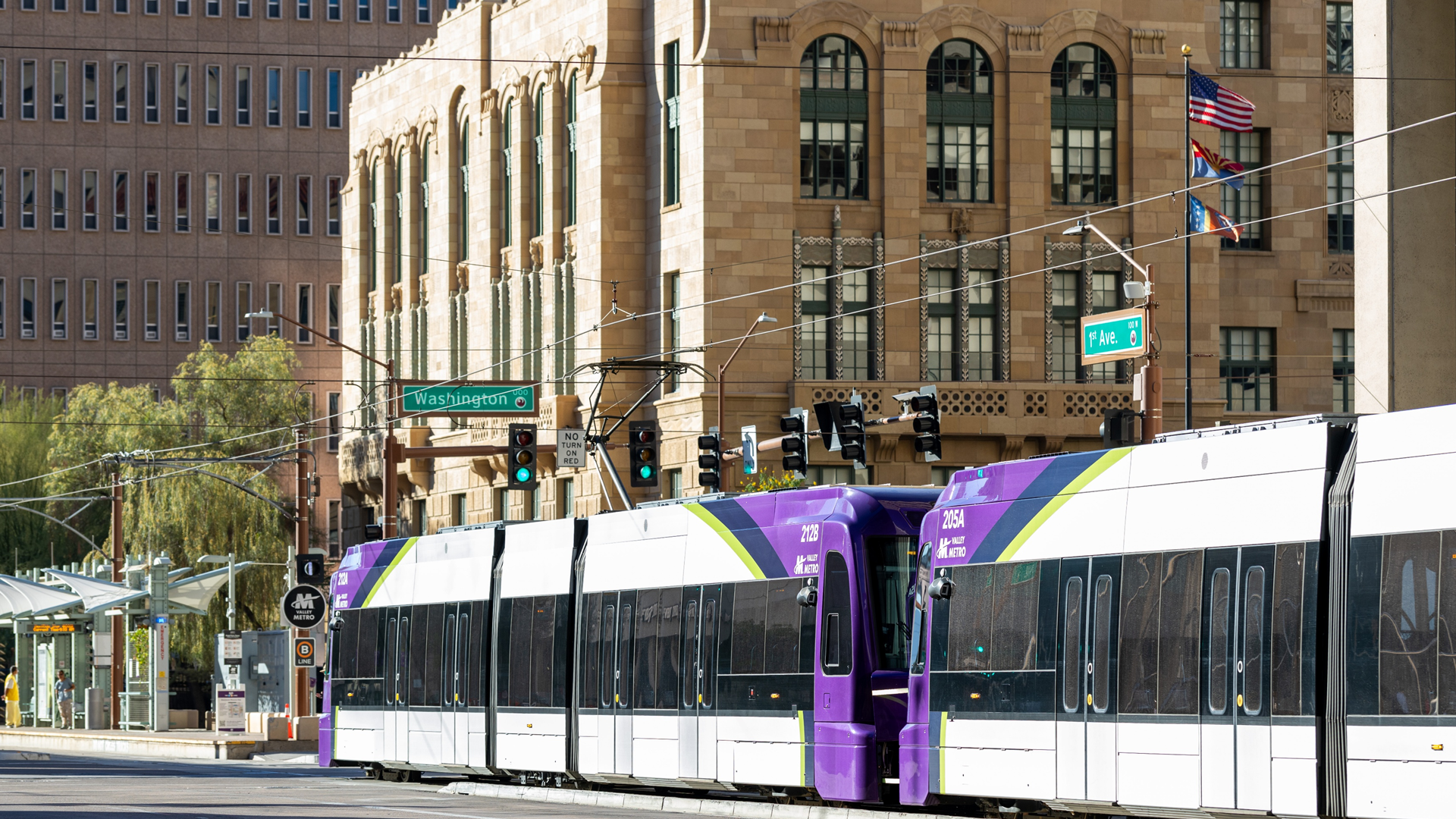
- More than 6 miles of light rail extensions resulting in a new two-line regional light rail system
- Expanding transportation options for all riders
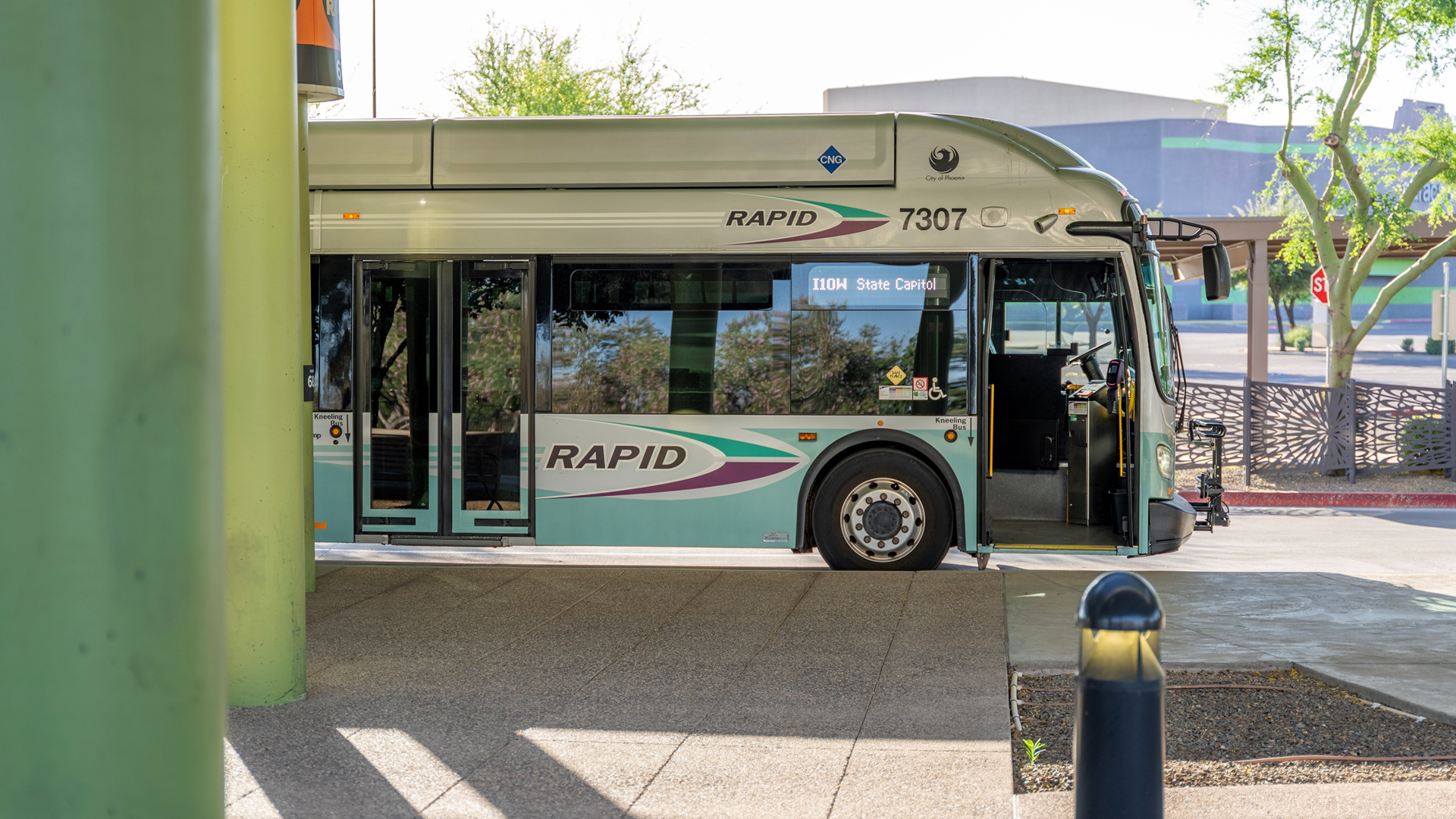
- Using renewable natural gas to power a majority of the bus fleet
- A pilot program featuring twelve battery electric buses with upcoming dedicated charging infrastructure underway
“As the Chair of the Transportation, Infrastructure and Planning Committee, it has been very rewarding to see the progress Phoenix has made through T2050,” said Councilwoman Debra Stark. “The work continues and I’m ready to support the growth that we will see in the years to come.”
Street improvements remained a key focus with:
- 127 traffic signals
- 252 left-turn arrows
- 181 miles of new bike lanes
- 20,191 updated or new ADA ramps
- 38 miles of new sidewalk
- 407 miles of local and arterial overlay pavement
- Intelligent transportation systems that improve traffic management and signal reliability
Measuring Progress and Listening to Residents
This report provides a look at how T2050 investments are translating into improvements across Phoenix. Recent survey results show 75 percent of respondents are satisfied with how the City uses T2050 revenue, underscoring steady progress while reinforcing the need for continued community engagement as transportation needs evolve.
“Witnessing the progress and achievements of Transportation 2050 has been an incredible journey. My fellow Citizens Transportation Commission members and I look forward to continuing our partnership with the community, listening to their priorities and helping shape meaningful improvements to Phoenix’s streets and public transit system,” said Citizens Transportation Commission Chair David Moody.
Transportation 2050’s first decade marks a major milestone, but it represents only the beginning of the voter‑approved 35‑year effort. Investments made so far lay the foundation for long-term improvements as Phoenix continues to build a reliable, adaptable transportation system for its growing population.
Read the Long-Term Performance Metrics report for more information on the T2050 progress.
Watch to hear from community members about how T2050 investments have affected their daily lives.